
Search

Connectors

Contact support

Helpdesk portal

Incoming webhooks

Process incoming webhooks in batch

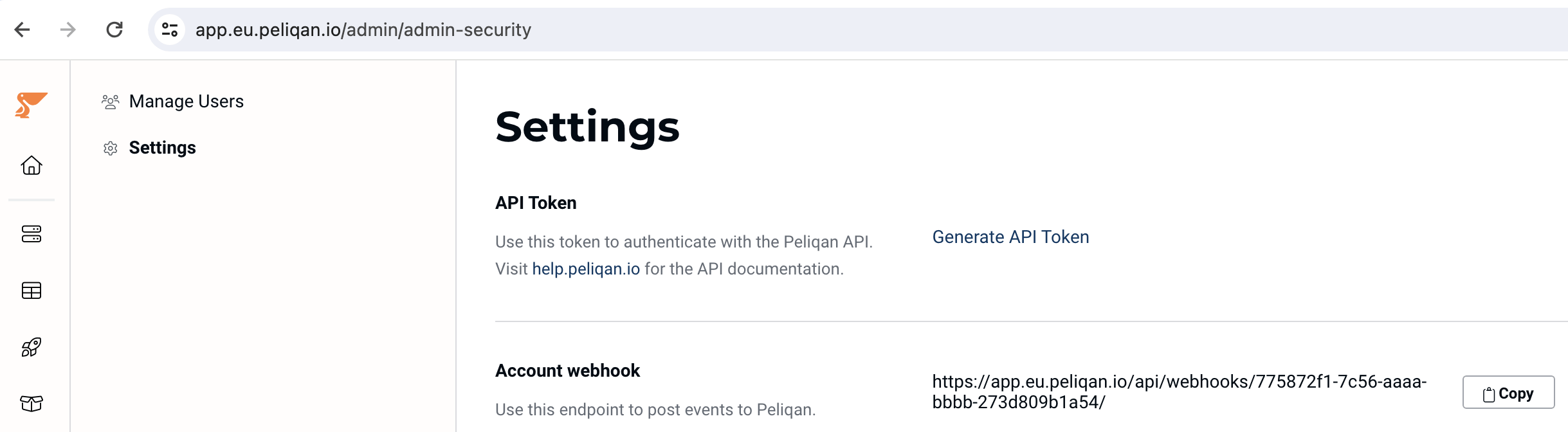
You can accept and process incoming webhook events, coming from external systems. Go into Peliqan Settings to find your personal incoming webhook URL:
image

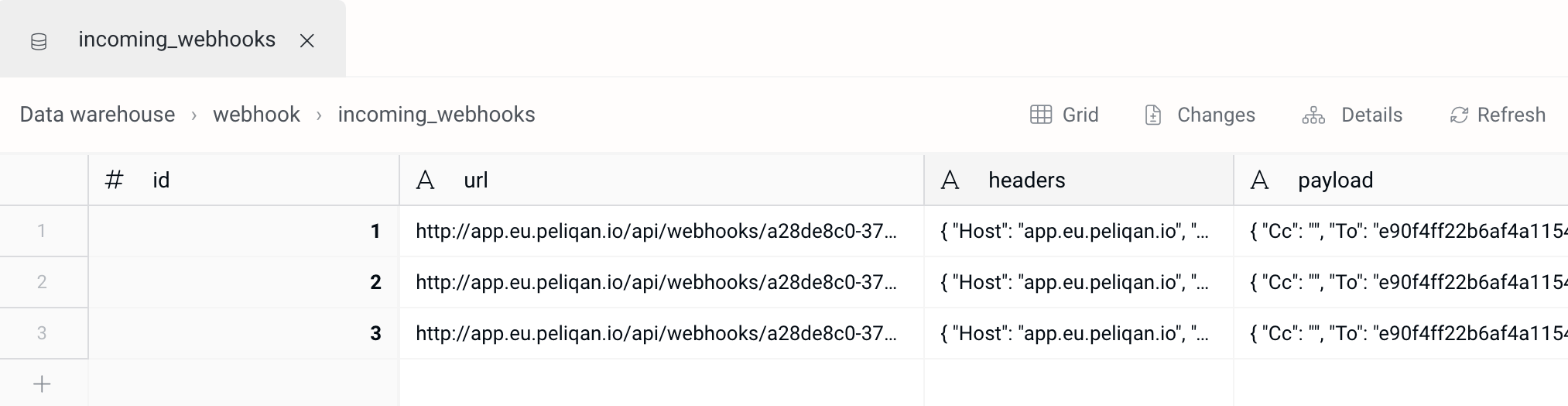
Any payload posted to your webhook endpoint, will be stored in a new schema “webhooks” and table “incoming_webhooks” in your Peliqan data warehouse:

image

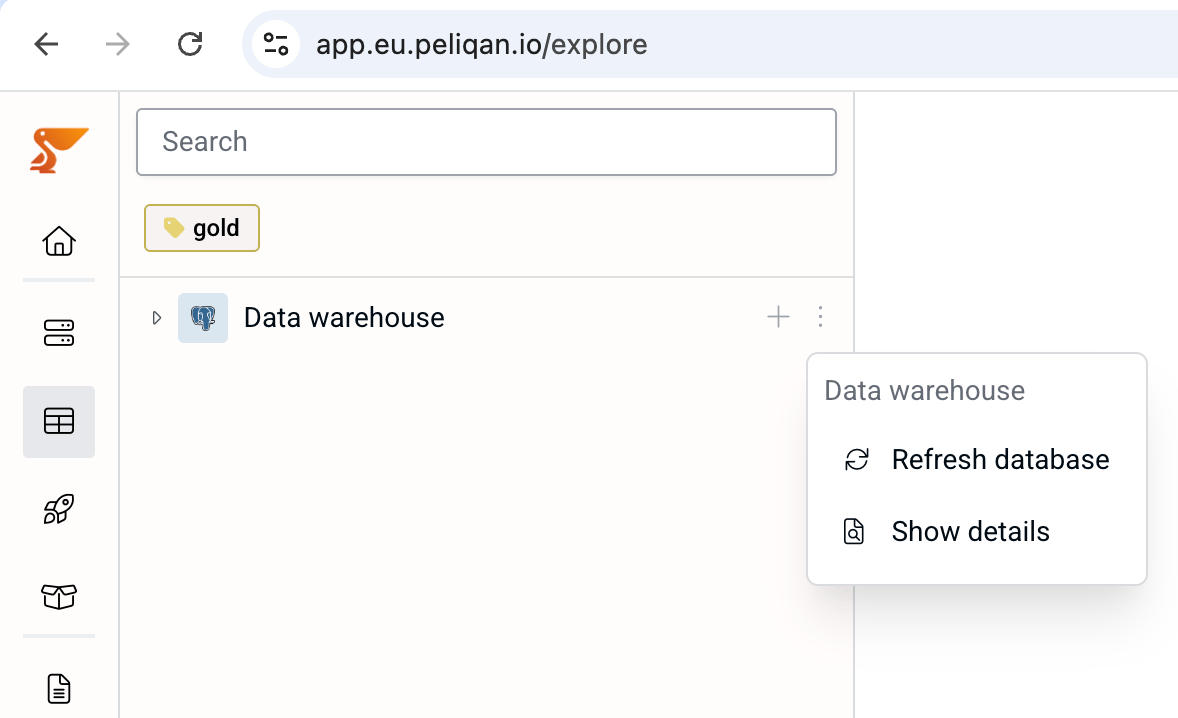
If you have sent webhook events to your Account Webhook URL, and the incoming_webhooks table does not appear, make sure to refresh the list of schemas and tables. In the left pane, go to your data warehouse node, click on the menu icon (3 dots) and select Refresh Database from the action menu:

image
The maximum size of an incoming payload is 16MB !

You can write a low-code Python script in Peliqan to process these incoming webhooks. Typically you will add a column “Status” that is updated from your script, to keep track if which webhook events were processed.

Process incoming webhooks in real-time

You can create an API endpoint to capture incoming webhook events in real-time. More info:

Publish APIs